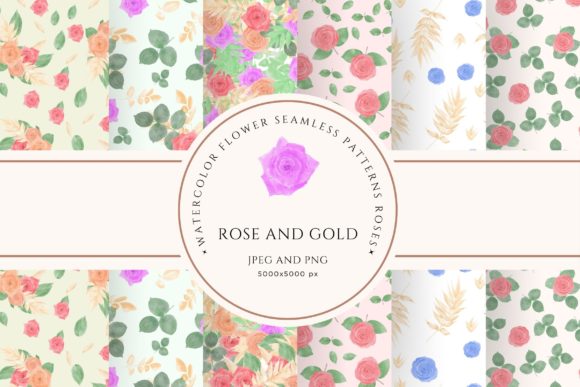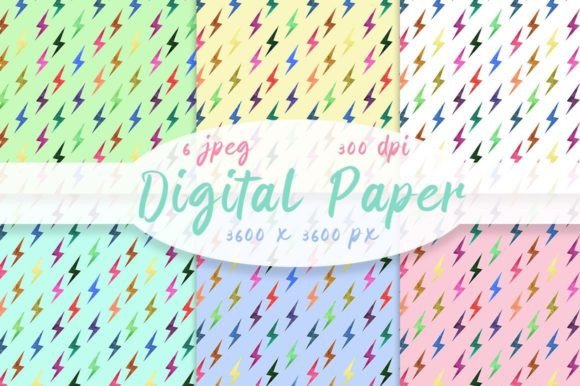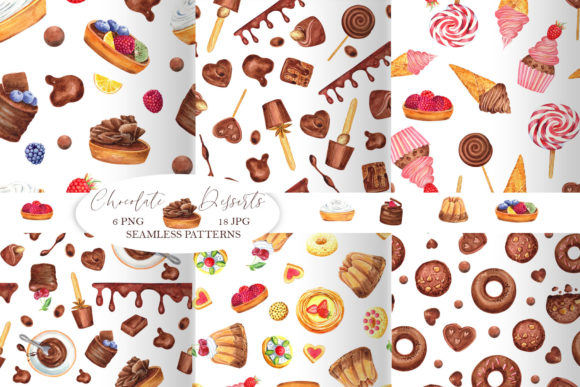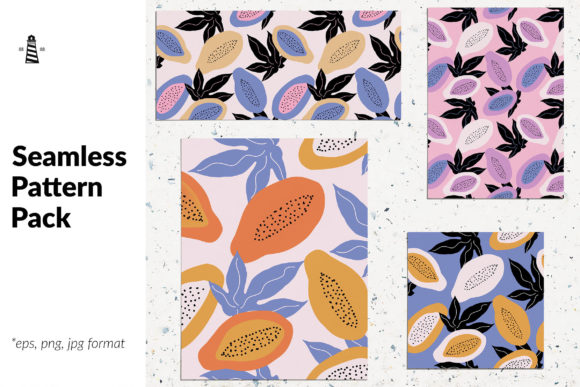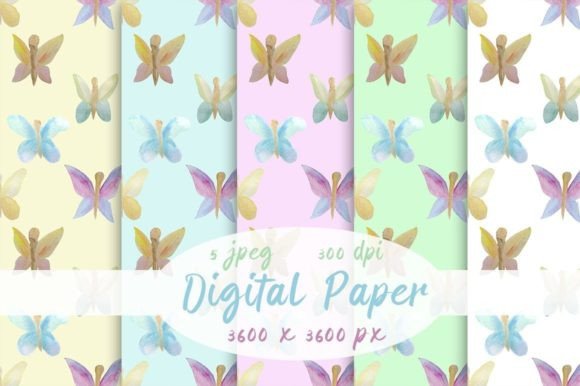
Patterns Watercolor Butterflies, Jpeg: Seamless Beauty for Designers and Crafters
When you’re searching for digital papers that balance artistic charm with technical precision, Patterns Watercolor Butterflies, Jpeg stands out—not just for its delicate aesthetic, but for how thoughtfully it’s built for real-world use. This collection delivers five high-resolution, seamless pattern files—each 3600×3600 pixels at 300dpi—in JPEG format. That means they’re ready to drop into design software, print on demand platforms, or craft templates without scaling stress or pixelation. But beyond the specs, what makes these patterns resonate with designers, stationery creators, and small-business owners? It’s how they bridge soft, hand-painted warmth with professional-grade versatility.
Why Seamless Matters—More Than Just a Buzzword
A seamless pattern isn’t just “tileable.” It’s invisible continuity—no visible edges, no awkward repeats, no telltale seams that break immersion. With Patterns Watercolor Butterflies, Seamless pattern, each design flows naturally across surfaces, whether you’re wrapping a gift box, laying down background texture in Canva, or building a fabric repeat for Spoonflower. Because the butterflies are painted organically—not digitally cloned—the repetition feels alive, not robotic. You’ll notice subtle shifts in wing transparency, ink bleed, and pigment saturation that mimic real watercolor behavior. That authenticity is what keeps viewers engaged, even at a glance.
Seamless functionality also saves time. No need to manually align tiles or mask edges in Photoshop. Each JPEG file is pre-optimized for tiling in Adobe Illustrator (via Object > Pattern > Make), Affinity Designer, Procreate (with tiling plugins), or even basic tools like Cricut Design Space. And because they’re JPEGs—not layered PSDs or resource-heavy PNGs—they load quickly, preview reliably, and integrate smoothly into automated workflows like print-on-demand mockup generators or Shopify product image builders.
High Resolution, Real-World Flexibility
The 3600×3600 pixel size at 300dpi isn’t arbitrary. It’s calibrated for both screen and print excellence. At this resolution, you can confidently scale the pattern down for social media banners (e.g., Instagram story backgrounds) or up for large-format prints—think wall decals, fabric swatches, or wedding invitation suites—without losing clarity. A 12×12 inch printed paper at 300dpi requires only 3600×3600 pixels, so these files hit the sweet spot: large enough for detail, lean enough for fast transfers and cloud storage.
Designers working across mediums benefit especially. A surface pattern designer might import one of the Patterns Watercolor Butterflies, Jpeg files directly into a textile layout tool like Kaledo or Adobe Fresco for colorway variations. A planner creator could overlay light text or icons without worrying about moiré effects—thanks to the soft, diffused edges of the watercolor washes. Even educators crafting printable worksheets appreciate how the gentle palette reduces visual fatigue while still offering visual interest.
Color Considerations: Expect Beauty, Not Perfection
Here’s something honest—and important: Colors may vary slightly due to different color monitors. That’s not a limitation—it’s a reminder that watercolor is inherently fluid and context-dependent. What reads as a dusty rose on your MacBook Pro might lean lavender on a calibrated Eizo display or appear warmer on a tablet screen. These variations aren’t flaws; they reflect how light interacts with pigment, paper texture, and screen technology. If you’re preparing files for commercial printing, always soft-proof using your printer’s ICC profile. For web use, embed sRGB color space (standard for JPEGs) and test across devices.
That said, the palette across the five patterns is intentionally cohesive—soft teals, muted corals, parchment whites, slate greys, and dusky lavenders. No neon clashes. No oversaturated jarring tones. This restraint makes mixing and matching patterns easier, whether you’re designing a full stationery suite or curating a mood board for a client pitch.
Where These Patterns Shine—Practical Use Cases
- Stationery & Wedding Design: Layer a Patterns Watercolor Butterflies, Seamless pattern behind foil-stamped names or use it as a subtle envelope liner texture. Its organic flow complements handwritten scripts and minimalist typography beautifully.
- Digital Planners & Notion Templates: Import as background images in GoodNotes or Notion (via image embed). The soft contrast supports readability without overwhelming content—unlike bold geometric repeats.
- Print-on-Demand Products: Upload directly to Redbubble, Teespring, or Printful for notebooks, phone cases, tote bags, or art prints. Seamless tiling ensures no cut-off wings at seam lines—even on curved surfaces like mugs.
- Educational Resources: Teachers use these as decorative borders for flashcards, certificates, or classroom posters. The butterfly motif subtly reinforces themes of growth, transformation, or nature studies—without feeling juvenile.
- Social Media & Branding: Create consistent Instagram post templates or Pinterest pin backgrounds. The watercolor texture adds dimension to flat graphics, helping your brand stand out in crowded feeds.
Choosing the Right Pattern—What to Look For
Not all watercolor patterns are created equal. Before downloading any Patterns Watercolor Butterflies, Jpeg set, check three things: resolution consistency, true seamlessness (test by tiling in your software), and pigment fidelity. Some low-cost bundles use AI-upscaled or heavily filtered scans—resulting in muddy gradients or artificial sharpness. These files avoid that trap: each was captured from original hand-painted textures, then carefully edited to preserve granulation, lift, and bloom.
Also consider your workflow compatibility. JPEG is universally supported—but if you need transparency (e.g., for layering over photos), you’d need PNG versions. These files don’t include alpha channels, which is intentional: JPEG offers smaller file sizes and broader CMS compatibility (think email newsletter builders or older design apps). If transparency is essential for your project, plan to add a white or colored background layer first—or use blending modes like Multiply or Overlay to achieve depth without transparency.
Design Tips for Getting the Most Out of These Files
- Start simple: Try one pattern at a time before layering. Let the watercolor breathe—overcomplicating with multiple repeats or heavy filters can mute its charm.
- Adjust opacity strategically: Dropping a pattern layer to 15–30% in Photoshop or Figma creates elegant texture beneath bold type or illustrations.
- Reverse colors for contrast: Invert the pattern (Image > Adjustments > Invert) to get a striking dark-on-light version—ideal for black-tie invites or luxury branding.
- Use clipping masks: Place text or shapes above the pattern layer, then right-click > “Create Clipping Mask” (Photoshop) or use mask layers (Figma) to confine the pattern to specific areas.
- Test print small: Before committing to a full run, print a 4×4 inch swatch on your target paper stock. Watercolor textures behave differently on matte vs. glossy finishes.
Ultimately, Patterns Watercolor Butterflies, Jpeg succeeds because it respects both the craft and the clock. It honors the tactile beauty of watercolor painting while delivering digital efficiency—no extra plugins, no learning curve, no licensing guesswork. Whether you're launching your first Etsy shop or refreshing a decade-old brand identity, these five seamless patterns offer quiet confidence: beautiful, reliable, and ready when you are.