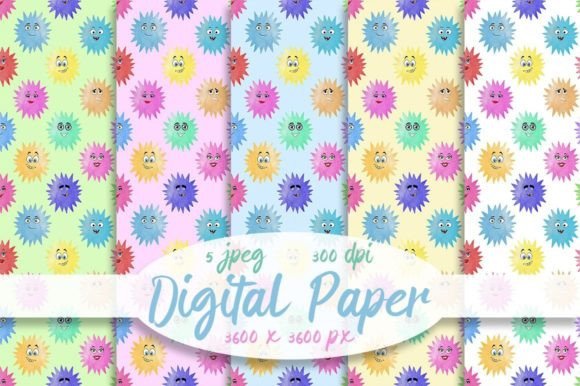
Patterns Emoji, Smiley, Digital Paper
If you’ve ever spent hours searching for a playful yet professional background that adds personality without sacrificing polish—you’ll appreciate what Patterns Emoji, Smiley, Digital Paper delivers. This isn’t just another set of clipart or generic textures. It’s a thoughtfully crafted collection of five high-resolution, seamless digital papers designed to bring warmth, approachability, and visual rhythm to your projects—without overwhelming them.
What Makes These Digital Papers Stand Out?
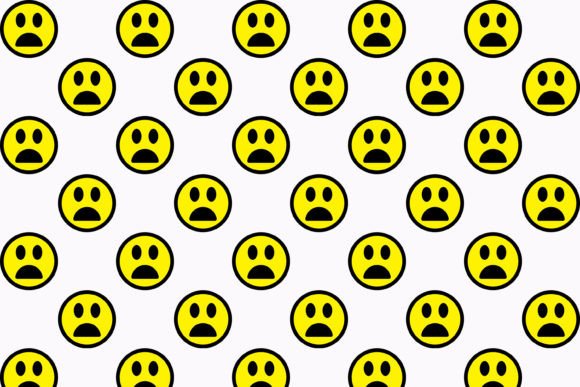
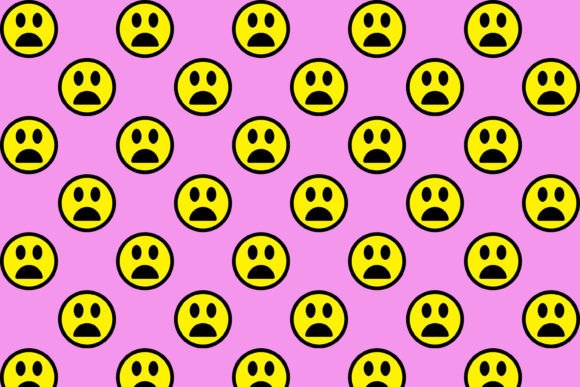
Each pattern in the set blends expressive emoji and smiley motifs with soft watercolor dots—creating a balanced fusion of digital clarity and hand-crafted charm. The result? A versatile texture that feels friendly but remains refined enough for client-facing work.
The files are delivered as JPEGs at 3600×3600 pixels, 300dpi—a resolution that holds up beautifully whether you’re printing business cards, designing presentation slides, or building web assets. Because they’re seamless, you can tile them infinitely in design software like Adobe Photoshop, Illustrator, Canva, or Affinity Designer—no visible edges or awkward repeats.
Color fidelity is carefully managed, though it’s worth noting: colors may vary slightly due to different color monitors. If precise brand matching matters (e.g., for corporate reports or packaging), soft-proofing on your target output device is always recommended.
Where These Patterns Actually Shine
Unlike decorative elements that sit passively in the background, Patterns Emoji, Smiley, Digital Paper supports intent. Here’s how real users apply them:
- Marketing & Social Content: Use the watercolor-dot base with subtle emoji accents as slide backgrounds for Instagram carousels or LinkedIn posts—adding visual interest while keeping text highly legible.
- Educational Materials: Teachers and course creators layer these patterns under activity sheets, worksheets, or digital flashcards. The smiley motifs gently reinforce positivity and engagement—especially effective for younger learners or wellness-focused curricula.
- Branded Stationery: Freelancers and small studios use them to create custom invoice templates, proposal covers, or thank-you notes. The balance of fun and professionalism helps humanize service-based businesses without undermining credibility.
- Digital Planners & Notion Templates: Because the patterns scale cleanly and tile predictably, they work well as page dividers, section headers, or subtle overlays in PDF planners or printable habit trackers.
- Product Packaging Mockups: Designers drop these into smart objects for sticker sheets, gift wrap concepts, or subscription box inserts—giving physical products an instantly recognizable, emotionally resonant surface texture.
Why Seamless Matters More Than You Think
“Seamless” isn’t just a buzzword—it’s a functional requirement. When patterns repeat poorly, they introduce visual noise: mismatched dots, misaligned smiles, or abrupt transitions. That breaks focus, especially in long-form documents or large-format prints. With this set, repetition is invisible—not because it’s hidden, but because it’s engineered. Each tile edge aligns precisely with its neighbor, so whether you’re filling a 4×6 inch postcard or a full-page brochure spread, the rhythm stays consistent.
This reliability saves time during layout phases. No more manually adjusting offsets or masking seams mid-design. You apply once, scale as needed, and move on.
Realistic Considerations Before You Use Them
While Patterns Emoji, Smiley, Digital Paper offers broad utility, context still guides smart usage. Here’s what seasoned designers keep in mind:
- Text Legibility First: These patterns have moderate contrast and gentle detail. Avoid placing light-colored body text directly over them unless you add a semi-transparent overlay or shadow. Headlines and callouts fare better—especially when using bold, sans-serif fonts.
- Brand Alignment Check: A playful emoji motif works brilliantly for a children’s app, a mental health blog, or a creative agency—but may feel out of place in legal documentation or financial reporting. Ask: does this support—or distract from—the message’s tone?
- File Workflow Fit: Since these are JPEGs (not vectors or layered PSDs), they’re ideal for quick integration but less flexible for deep color edits. If you need to shift hues significantly, consider using adjustment layers in Photoshop or applying color filters in Canva rather than editing the base file.
- Print vs. Screen Differences: Watercolor textures often translate more softly on screen than in print. If you’re ordering physical goods, request a test print first—especially for spot-color jobs or textured paper stocks where dot density affects perceived vibrancy.
Small Touches, Real Impact
In today’s saturated digital landscape, differentiation happens in micro-decisions: the warmth of a welcome email background, the cohesion of a workshop handout, the quiet confidence of a pitch deck slide. Patterns Emoji, Smiley, Digital Paper doesn’t shout—it invites. It doesn’t replace strategy—it reinforces it with consistency and care.
You’ll notice it most when someone pauses just a beat longer on your material—not because it’s flashy, but because it feels *intentionally kind*. That pause builds trust. And trust, over time, compounds into loyalty, referrals, and repeat collaboration.
Getting Started Is Simple
Once downloaded, import any JPEG into your preferred tool. In Canva, upload to “Your Uploads” and drag onto a canvas—then use “Position” > “Tile” for seamless coverage. In Photoshop, go to Edit > Define Pattern, then apply via Layer Style > Pattern Overlay for non-destructive control. For print prep, embed directly into InDesign frames and export as PDF/X-4 with bleed enabled.
No plugins, no subscriptions, no learning curve. Just five reliable, ready-to-use surfaces—each calibrated for clarity, compatibility, and quiet expressiveness.
A Note on Long-Term Value
Digital papers like these aren’t one-off purchases—they’re infrastructure. You’ll reuse them across dozens of projects: social banners, webinar slides, eBook chapter dividers, email headers, even Zoom virtual backgrounds (scaled appropriately). Their longevity comes from restraint: the emoji elements are understated, not dominant; the watercolor dots provide texture without visual competition.
That restraint is what makes Patterns Emoji, Smiley, Digital Paper age well. Trends fade. Clarity, warmth, and usability don’t.