Baby Girl Washi Tapes Patterns: Soft, Sweet, and Surprisingly Versatile
Imagine pulling out a roll of washi tape with delicate pink gingham, tiny bows, pastel stars, or dainty floral sprigs—and instantly knowing it’s *just right* for that baby shower invitation you’re hand-lettering. That’s the quiet magic of Baby Girl Washi Tapes Patterns: not just decoration, but a thoughtful design language for moments that call for tenderness, celebration, and personal care. These aren’t generic “cute” tapes—they’re curated visual cues that signal warmth, nurture, and intentionality.
What Makes These Patterns Work—Beyond Just Looking Adorable
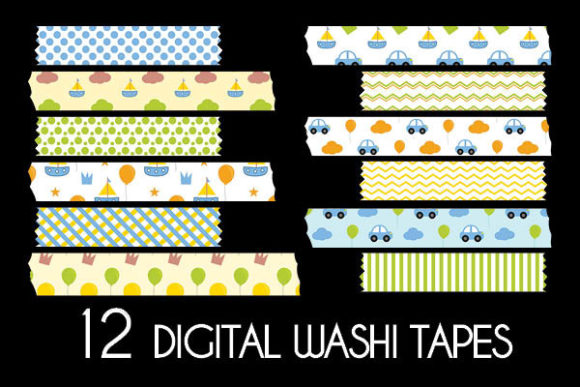
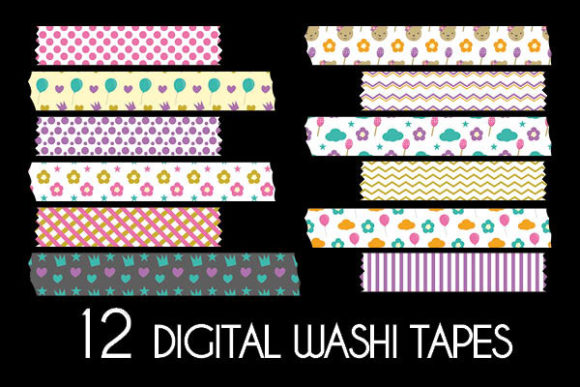
Baby Girl Washi Tapes Patterns refer to a cohesive set of 12 distinct designs—each printed on high-quality, acid-free, removable washi tape—created specifically to support projects centered around baby girls, early childhood, and feminine-identifying milestones. The patterns include soft watercolor dots, minimalist cloud-and-moon motifs, lavender lace borders, mint polka dots, peach ruffled ribbons, and more. What sets them apart isn’t just color palette (though the gentle pinks, lavenders, creams, and sage greens are carefully balanced), but how each pattern scales, repeats, and interacts with paper textures and handwriting.
Unlike mass-produced tapes that blur or tear when torn by hand, these hold clean edges and reposition smoothly—critical when you’re labeling a set of homemade baby food jars or aligning a border on a laminated growth chart. They’re designed to be functional *first*, charming *second*. And because they’re washi—not vinyl—they won’t leave residue on delicate cardstock, kraft tags, or matte-finish recipe cards.
Where Real People Reach for These Tapes (and Why It Matters)
You don’t buy 12 Baby Girl Washi Tapes because you need *more tape*. You buy them because you’ve hit a moment where off-the-shelf supplies fall short—and consistency matters.
- Small business owners use them to unify packaging: a handmade diaper cake wrapped in ivory tissue gets sealed with a strip of rose-gold dot tape; matching labels on organic cotton onesies get a subtle stripe accent. Customers notice the cohesion—it feels intentional, not improvised.
- Educators and daycare providers apply them to laminated name tags, behavior charts, or sensory bins. A child who responds to visual cues might recognize their own bin by its soft cloud-and-star border—no reading required. The tape stays put through daily wipe-downs but lifts cleanly when it’s time to rotate themes.
- Bloggers and content creators use them as low-effort styling tools: taping a corner of a flat-lay photo to a corkboard, sealing a printable milestone card before mailing it to a new parent, or adding a tactile frame to a Pinterest pin graphic. It’s authenticity with zero setup time.
- Hobbyists and scrapbookers rely on the variety—not just for pages, but for layering. Try layering a thin strip of lace-pattern tape over a wider band of watercolor wash: the contrast adds depth without overwhelming. Or use the smallest pattern (tiny hearts) to edge journaling cards inside a baby memory book—small details that reward close looking.
More Than Craft Supply: When Function Meets Feeling
Think about the last time you mailed a thank-you note after a baby shower. You wrote it by hand. You chose nice paper. But what held it together? A plain white sticker? Or a narrow strip of tape with a subtle ruffle motif—just enough to whisper “I paid attention”? That’s where Baby Girl Washi Tapes Patterns quietly shift tone. They help communicate care without saying a word.
Freelancers designing birth announcements often send digital proofs—but clients consistently ask for physical mockups. Why? Because seeing how the tape wraps a corner of the card, how the pattern aligns with a serif font, or how light catches the matte finish changes perception. It moves the project from “designed” to “thoughtfully made.”
Even in digital-adjacent work, the physicality matters. A publisher creating a parenting workbook might print sample pages with actual tape applied—not for production, but to test readability, contrast, and emotional resonance. Does the lavender dot pattern distract from body text? Does the bow motif feel too juvenile for an audience of first-time moms in their 30s? These tapes invite that kind of real-world testing.
What to Consider Before You Use or Buy
Not every “baby girl” pattern suits every context—and that’s okay. Before reaching for the full set, ask yourself:
- Who is the end user? A hospital NICU gift basket needs different visual weight than a boutique’s luxury layette line. Delicate patterns shine on fine paper; bolder repeats hold up better on kraft or recycled stock.
- How much handling will the item get? If you’re labeling glass baby bottles used daily, opt for patterns printed with slightly higher ink density—they resist smudging better than ultra-light watercolors.
- Is consistency part of your brand promise? If you sell monthly subscription boxes for newborns, using the same two patterns across all packaging builds recognition. Save the remaining ten for seasonal updates—spring florals in March, soft rainbows in June.
- Are you layering or stacking? Some patterns (like the fine-line scallops) work beautifully under clear stickers or vellum overlays. Others—like the dense floral—stand alone best. Test one roll first if you plan heavy layering.
Real Projects, Not Just Possibilities
A freelance photographer uses the mint polka dot tape to seal envelopes containing newborn session previews—parents open them feeling the texture before even seeing the images. A homeschool mom cuts strips to mark weekly goals on a dry-erase board: “First tooth!” gets a bow-tape flag; “First steps!” gets a cloud-and-moon. A café owner lines the edge of custom “Baby’s First Latte” coasters with lavender lace tape—subtle, memorable, and Instagram-ready without trying.
None of these uses require special tools, training, or inventory. Just scissors, intuition, and 12 Baby Girl Washi Tapes Patterns ready to meet the moment—not as filler, but as finish.
Why Twelve—And Why Now?
Twelve gives you breathing room. One pattern for invitations. One for thank-yous. One for storage labels. One for journaling. Three for rotating seasonal touches. The rest? For when inspiration strikes mid-project—or when you realize the “just right” detail was missing all along. It’s not excess. It’s optionality with purpose.
So whether you’re wrapping a gift for a friend’s second daughter, updating your classroom’s welcome board, or prototyping a product label for your Etsy shop—you’re not just applying tape. You’re choosing how warmth shows up in the world. And with Baby Girl Washi Tapes Patterns, that choice feels both simple and sincere.