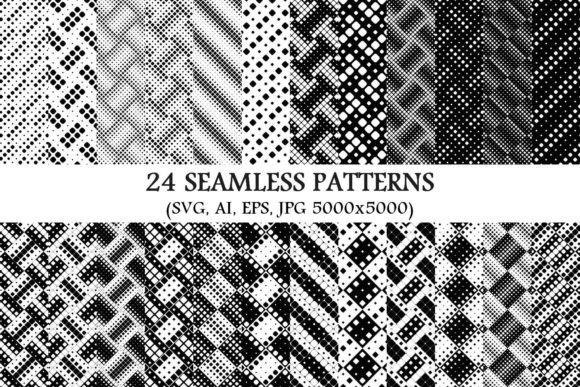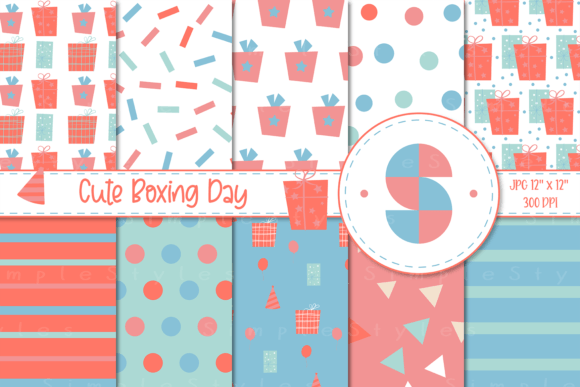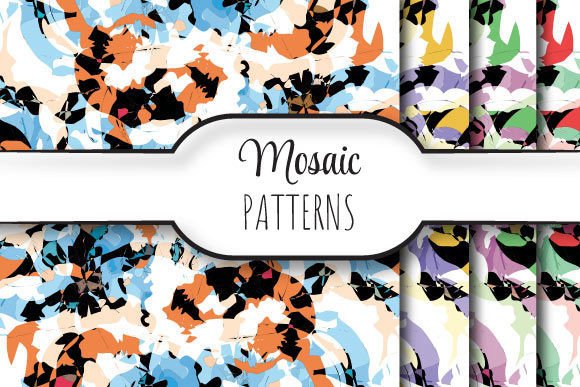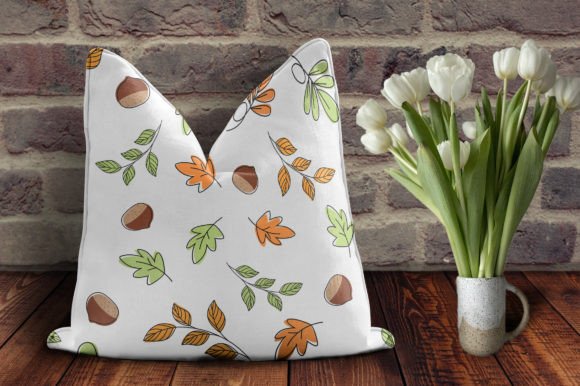
Fall Autumn Patterns Background
Imagine opening a digital toolkit filled with rich, warm, and timeless designs inspired by crisp leaves, cozy sweaters, harvest tones, and gentle seasonal transitions — that’s what a Fall Autumn Patterns Background collection delivers. These aren’t just pretty pictures; they’re versatile, ready-to-use design assets built for real-world creativity. Whether you're sketching a new t-shirt line, refreshing your café’s website, or designing wedding stationery with earthy elegance, these patterns offer a grounded, inviting aesthetic rooted in autumn’s natural rhythm.
What Makes These Patterns So Practical?
Each Fall Autumn Patterns Background is delivered as a vector-based file (EPS), meaning it scales infinitely without losing quality — perfect for everything from tiny mobile cover details to large-scale wall murals. You’ll also receive high-resolution JPG and transparent PNG versions, giving you flexibility across both print and digital workflows. Because they’re built in Illustrator CC format, designers can easily adjust colors, rearrange motifs, or isolate elements — no advanced skills needed. Even beginners can swap a burnt-orange leaf for a golden acorn or tweak spacing in seconds.
Where Can You Use Them — Really?
The beauty of this collection lies in how broadly it applies. Think beyond “just backgrounds.” A single pattern might become:
- A soft, textured lining for a handmade tote bag or ladies’ clutch
- The repeating motif on organic cotton pajamas or flowy palazzo pants
- A subtle watermark-style layer behind text on a seasonal newsletter or blog header
- The base design for custom ceramic mugs, greeting cards, or fabric-wrapped journals
- A tile repeat for bathroom backsplashes, carpet borders, or laminated flooring mockups
- The surface texture for eco-friendly packaging — think kraft boxes with muted maple-leaf repeats
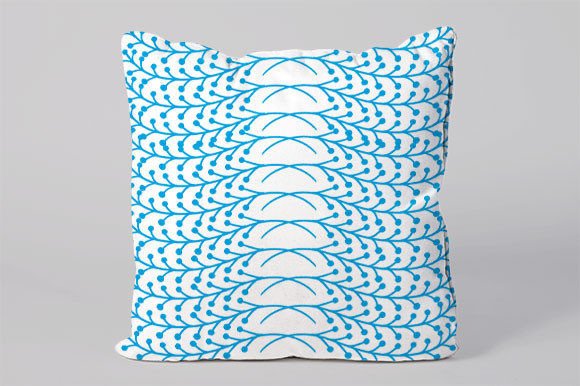
Professionals use them to speed up client projects: a graphic designer drops one into a brochure layout; a small-batch apparel brand applies it directly to fabric swatches; an educator creates themed classroom posters or printable worksheets. Hobbyists love them for DIY home décor — stenciling a pillowcase, printing fabric for curtains, or even laser-cutting the outline onto wood for rustic wall art.
Why People Choose These Over Generic Alternatives
Unlike generic stock patterns, these are intentionally curated for autumn’s visual language — not just orange and brown, but deep ochres, dusty rose, forest green, charcoal grey, and creamy ivory. They balance repetition and variation so they feel handcrafted, not robotic. And because they’re free and royalty-free, there’s no licensing guesswork or hidden fees — whether you’re printing 50 hoodies or launching a Shopify store with 500 SKUs.
They also solve common pain points: no pixelation on large prints, no color shifts when converting to CMYK, and no awkward gaps when tiled. That reliability saves time — and avoids last-minute redesigns before a craft fair or product launch.
Real-Life Uses You Might Not Expect
A freelance illustrator uses a vine-and-branch pattern as a subtle border around digital storybook pages. A wedding planner layers a delicate acorn-and-ivy repeat behind couple names on invitation suites — then reuses the same file for napkin prints and ceremony signage. A woodworking instructor prints the pattern onto transfer paper to decorate wooden coasters. A blogger overlays a semi-transparent leaf motif onto recipe photos for a “cozy fall baking” series — keeping branding consistent across Instagram, Pinterest, and their email newsletter.
Even educators find value: one middle-school art teacher printed a simplified wheat-sheaf pattern on cardstock for students to cut, layer, and collage into seasonal dioramas. Another used a geometric maple-leaf repeat to teach symmetry and tessellation concepts — all while keeping lessons seasonally engaging.
Things to Keep in Mind Before You Start
While these files are beginner-friendly, a few practical notes help you get the best results:
- Vector editing requires basic familiarity with Illustrator or compatible software — but if you only need JPG or PNG, any image editor (even free ones like Photopea or Canva) works fine.
- Transparency matters for layered designs — use the PNG version when placing over photos, gradients, or colored backgrounds.
- Tile spacing and repeat alignment are already optimized, but always test a small section first — especially for fabric printing or wallpaper applications.
- Mockups aren’t included, so if you want to present designs professionally (e.g., showing a pattern on a hoodie or tote), you’ll need separate mockup templates — but the clean vector files integrate smoothly into those tools.
- Color accuracy depends on your device and printer — for critical brand work, check a physical proof before mass production.
How to Make the Most of Your Collection
Start simple: open one EPS file in Illustrator, select a color group using the Eyedropper tool, and change it to match your project palette. Try exporting at different sizes — a 300 DPI JPG for print, a 72 DPI version for web banners, and the PNG with transparency for social media graphics. Save variations with clear names (“maple-leaf-ochre-tile,” “wheat-repeat-ivory-png”) so you can find them fast next time.
If you're building a brand identity, pick one core pattern and use it consistently — on packaging, website headers, and business cards — to create subconscious recognition. Or go playful: combine two patterns (e.g., a subtle dot background with an overlay of scattered leaves) for depth and dimension.
And remember — these aren’t just for fall-only projects. The warmth and texture translate beautifully into year-round lifestyle branding, artisanal product lines, or even minimalist interiors where nature-inspired calm is key.
Final Thought
A Fall Autumn Patterns Background collection is more than seasonal decoration — it’s a quietly powerful creative multiplier. It meets people where they are: whether you're prototyping your first apparel line, sprucing up a Zoom background, or designing a heartfelt handmade gift. With vector precision, thoughtful color, and broad licensing freedom, it removes friction — so you spend less time wrestling with assets and more time bringing ideas to life.